
Ignoring functional safety risk? You pay for it twice.
Why the projects where functional safety fails rarely fail for technical reasons.
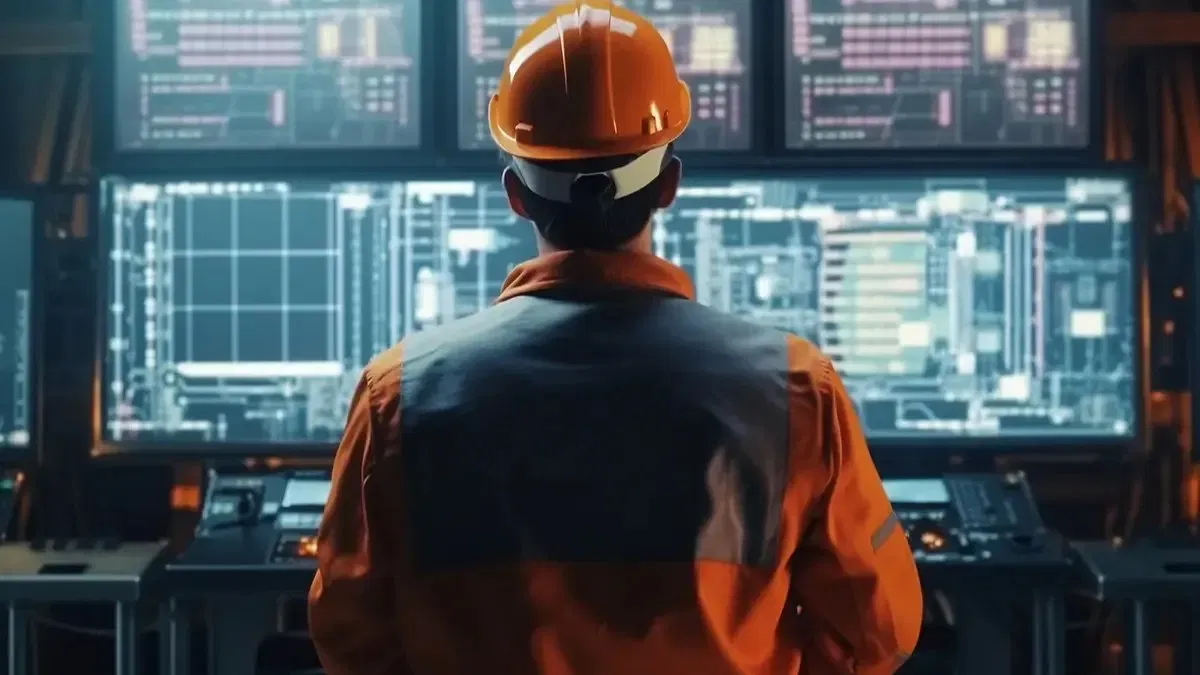
Functional safety risk isn't a technical checkbox. It's a project leadership issue — one that can erode profit, delay delivery, and compromise outcomes long before a regulator gets involved. The projects where functional safety fails usually didn't fail because of a missing valve or a software error. They failed because the early signals were ignored.
Nuclear projects were always hard. They're getting harder.
After decades of underinvestment, ageing fleets, and a shrinking talent pipeline, the sector is trying to do more with less — not just building new capacity, but managing risk in an increasingly complex regulatory and technical environment while competing for scarce specialist talent. Complexity, scarcity and regulatory scrutiny together are a recipe for risk if it isn't managed early.
Safety culture is a competitive advantage, not a buzzword
Regulators don't evaluate safety on perfect design or flawless execution. They evaluate it on leadership decisions, accountability, and documented judgement. When something goes wrong — even when it doesn't become a headline — the first questions aren't 'did you have the right equipment?' or 'did the engineer do the calculations correctly?' They're: when was the risk first identified? Who owned the decision? Was there a documented process behind the choices made?
If you can't answer those clearly, no amount of capable hardware will protect you from scrutiny, or from the financial exposure that follows it. A strong functional safety culture isn't box-ticking — it's demonstrating that leadership made informed, predictable decisions at the right time.
Late safety decisions are a project tax
When functional safety shows up late — during detailed design, procurement, or worst of all commissioning — it rarely arrives alone. It brings rework (scope retrofitted), cost growth (change orders, buffers, overtime), schedule delays (weeks lost while requirements are clarified), and contract disputes (who pays for the variations?).
This isn't theoretical. Projects that defer functional safety until late routinely double budgets and stretch timelines — and in nuclear, where margins are already tight, the penalties hit hard. Leaders often think they're protecting the schedule by deferring these decisions. In reality they're burying risk for later, at a premium.
The real risk isn't technical — it's managerial
It's tempting to think functional safety risk lives in the safety instrumented systems, the SIL ratings, the procedural compliance. Those are outcomes of decisions, not the decisions themselves. The root cause of most safety cost overruns isn't engineering — it's a leadership gap: safety not considered at inception, accountability unclear, decisions undocumented, competent resource engaged too late, or safety treated as 'engineering's problem' rather than a project priority. That's leadership risk, and it almost always shows up financially before it shows up technically.
Too many projects react. Few prevent.
The common pattern: the project begins, safety is assumed or vaguely scoped, decisions are deferred under schedule pressure, then a late trigger — a regulatory review, a vendor query, a commissioning conflict — surfaces the safety requirements. By then the project has most of its commitments locked: fixed engineering, booked contractors, committed supply chain. That's when safety becomes disruptive, costly and contentious. Prevention beats reaction every time.
Treat safety like cost, scope and schedule — because it is one
Functional safety isn't a specialist add-on. It's a project risk discipline. Taken seriously early, it gives you more accurate cost estimates, clear risk ownership, fewer change orders, smoother handover to operations, and stronger regulatory confidence. Postponed, the project pays twice: once for the delay, and again for the disruption.
The leaders who manage this well ask a small set of questions before detailed design begins: who owns the safety lifecycle? When are the decisions being made? Do we have documented rationale for the risk decisions? Are we engaging the right competencies now — not later? Answer those early and you're not just managing safety. You're safeguarding the project.
If functional safety risk is something you're carrying on a programme right now and want a second pair of eyes on, that's the independent technical authority role I do directly — book a call and we'll talk it through.
Make sure functional safety is right — from the start.
Book a call. Thirty minutes, no pitch — we'll tell you straight where you stand.
Comments
Loading…